 The city of Bremen is
an old Hanseatic city at the northern coast of Germany, which can
look back on a 1200 years old history. Between 787 and 849 the city
became a diocesan town, in 965 King Otto I granted it the right,
to hold markets, in 1186 Bremen became a free city and in 1260 joined
the Hanseatic League. The city of Bremen is
an old Hanseatic city at the northern coast of Germany, which can
look back on a 1200 years old history. Between 787 and 849 the city
became a diocesan town, in 965 King Otto I granted it the right,
to hold markets, in 1186 Bremen became a free city and in 1260 joined
the Hanseatic League.
As you might know, the Hanseatic League (German: die Hanse) was
an alliance of trading cities that established and maintained a
trade monopoly over most of Northern Europe and Baltic States in
the later Middle Ages and the Early Modern period. It cared for
the pacification of the trade routes and was a strong economical
and political factor, which made the international trade flourishing.
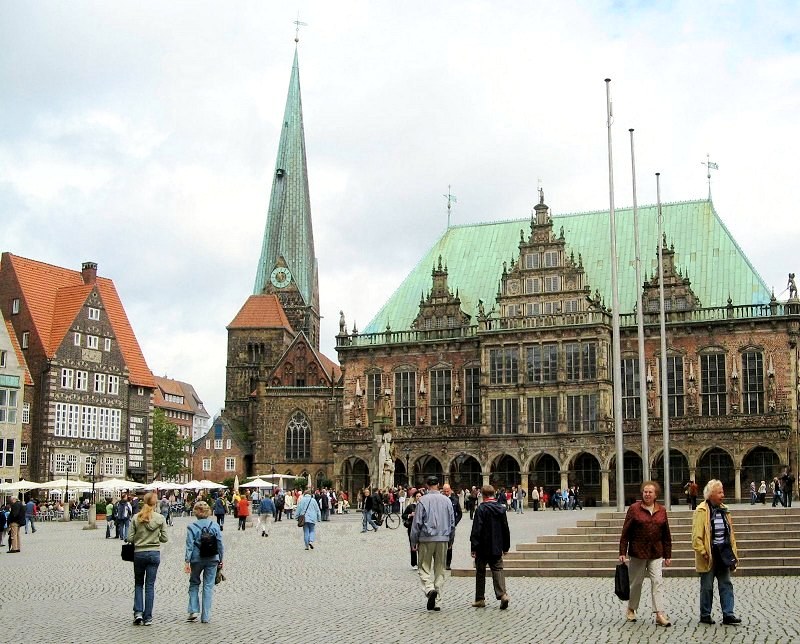
Hanseatic cities were prosperous and still today, in the charming
Old Town, magnificent buildings from those days can be found, such
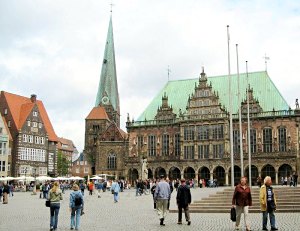
as the Old Town Hall and the statue of Roland,
which have been UNESCO World Heritage sites since 2004, the
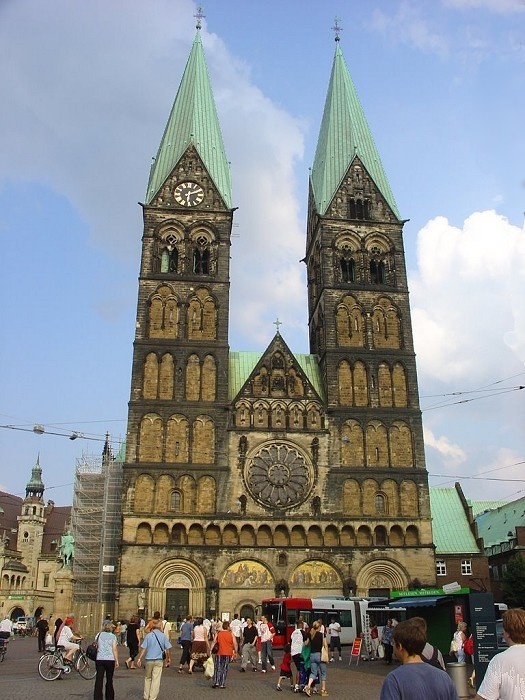
imposing St. Petri Cathedral and splendid patrician houses around
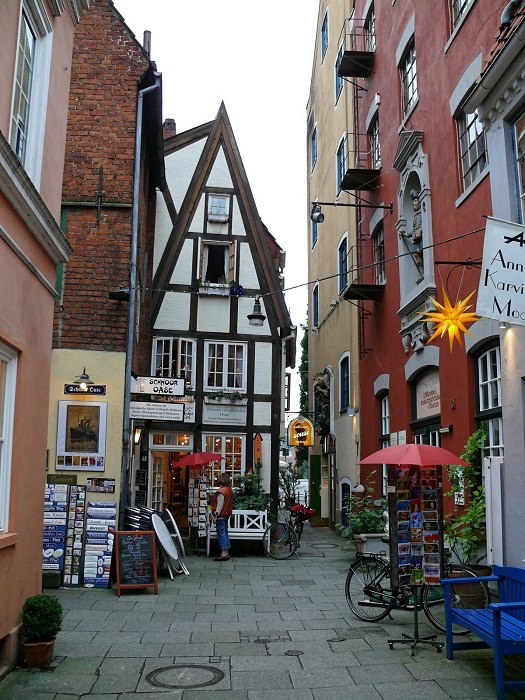
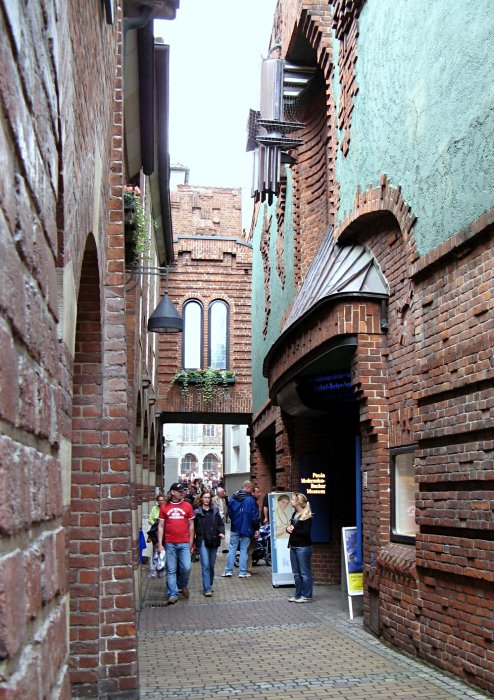
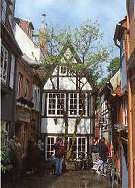
the marketplace, but there are also really cute, very small, old
houses and narrow alleys in the oldest living quarter, named "Schnoor".
There are many small shops, boutiques and comfortable, intimate
restaurants - a Must when you visit Bremen, just as a walkt through
the old "Böttchergasse"
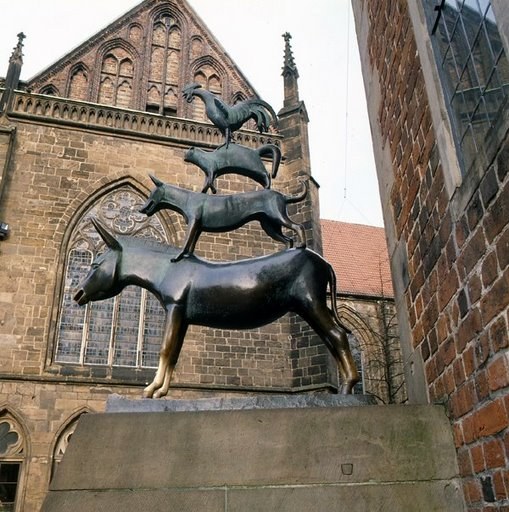
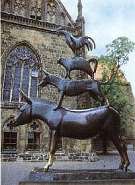
Do you know the story about the 4 "Bremen Town Musicians" (by
the brothers Grimm) - a donkey, a dog, a cat and a cock? They all
were very old, no more useful and therefore should be killed by
their masters, but they could escape. On their way to Bremen they
met, became a very successful team and even put to flight some robbers
with their appearance so one above the other making big sounds.....
 |
 |
 |
|
| St. Petri Cathedral
|
patron Roland
UNESCO World Heritage
|
historic quarter
Schnoor
|
the 4 Bremer
musicians
|
|
 UNESCO World Heritage
Sites
UNESCO World Heritage
Sites